TECH 5311: Computer Aided Engineering
Course Description
Application of computer hardware and software to the design of products and systems; geometric modeling; engineering computational methods; overview of engineering analysis software which may include finite element analysis, manufacturing simulation and solid modeling, and rapid prototyping.
Course Objectives
Engineering design begins with market surveys whereby a product need is identified. Based on this identification, a conceptual design is created. Before the product can be manufactured, the conceptual design has to be refined and a detailed design produced. Detailing a conceptual design involves determining material specifications, dimensions, tolerances, performance measures, etc. There are determined by engineering analysis.
Engineering analysis is a computationally intensive process whereby the product behavior is mathematically modeled and the response of the model to various loads, such as forces, moments, temperatures, etc. determined. The results of the analysis help determine sizes and material specifications. This process is highly iterative and would involve many man-hours if performed manually. Thus, digital computers are used to create models, analyze models and display the results of analysis.
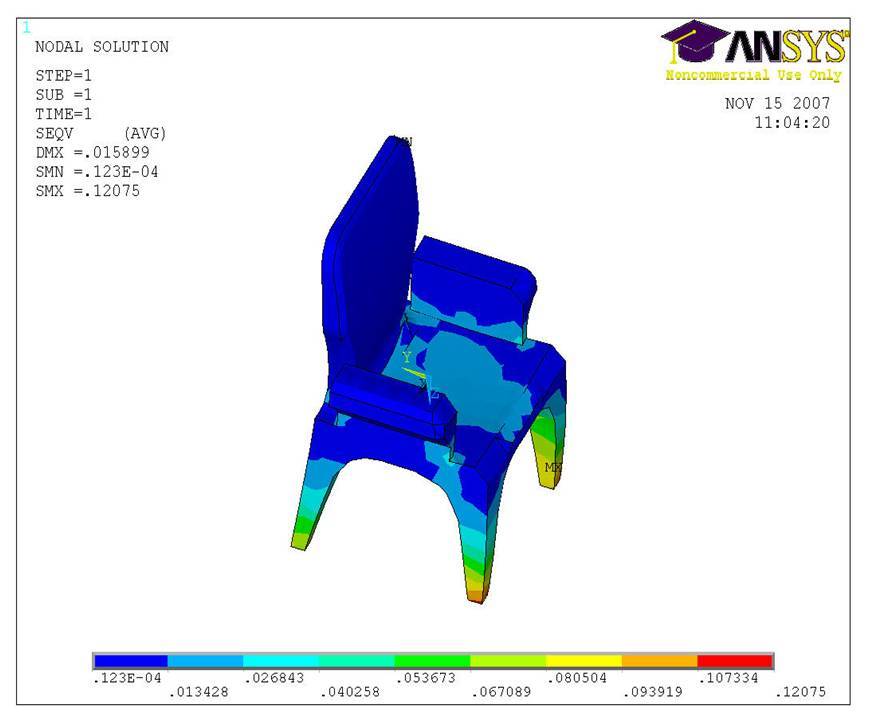
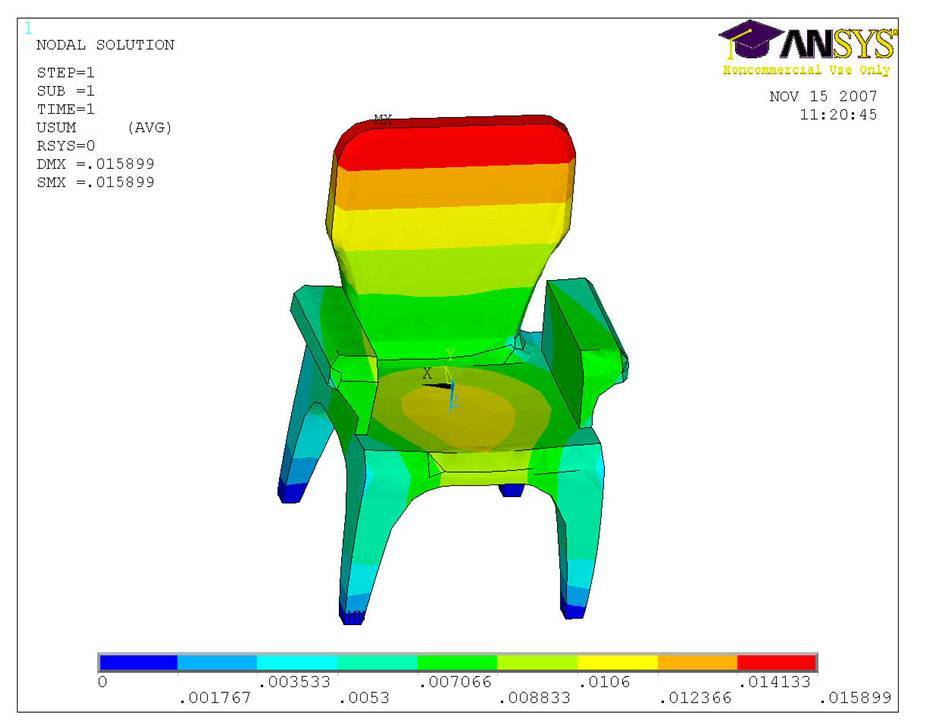
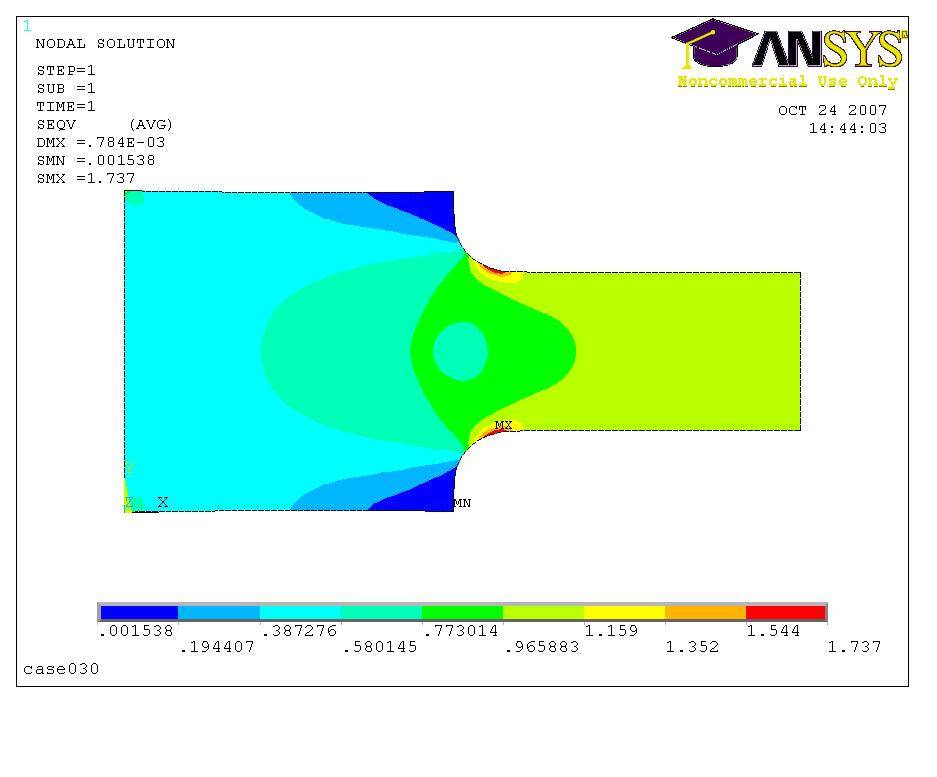
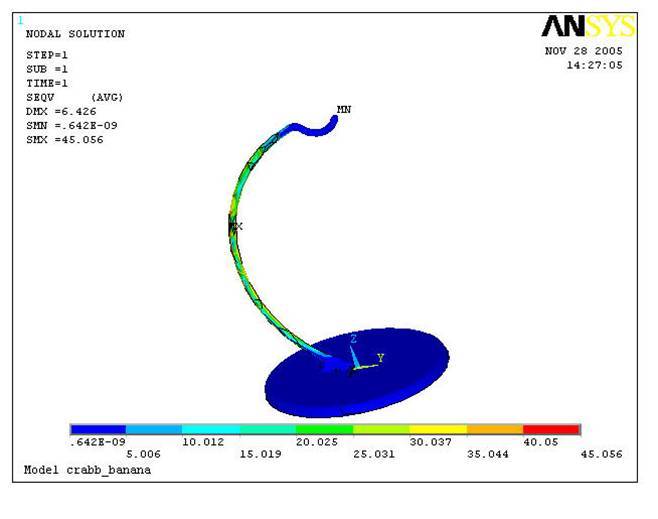
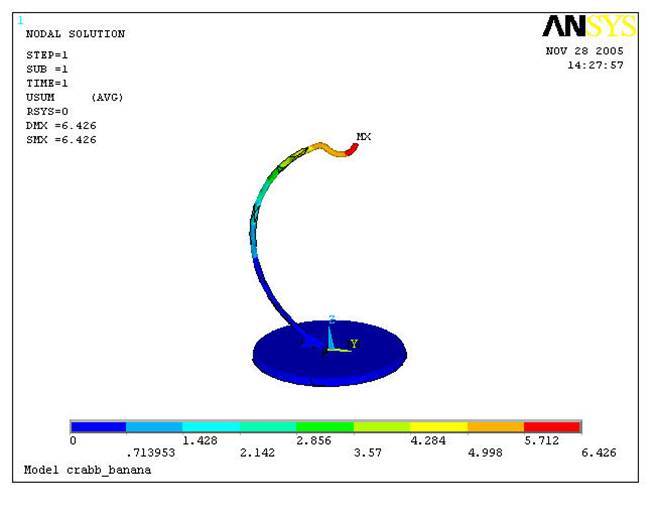
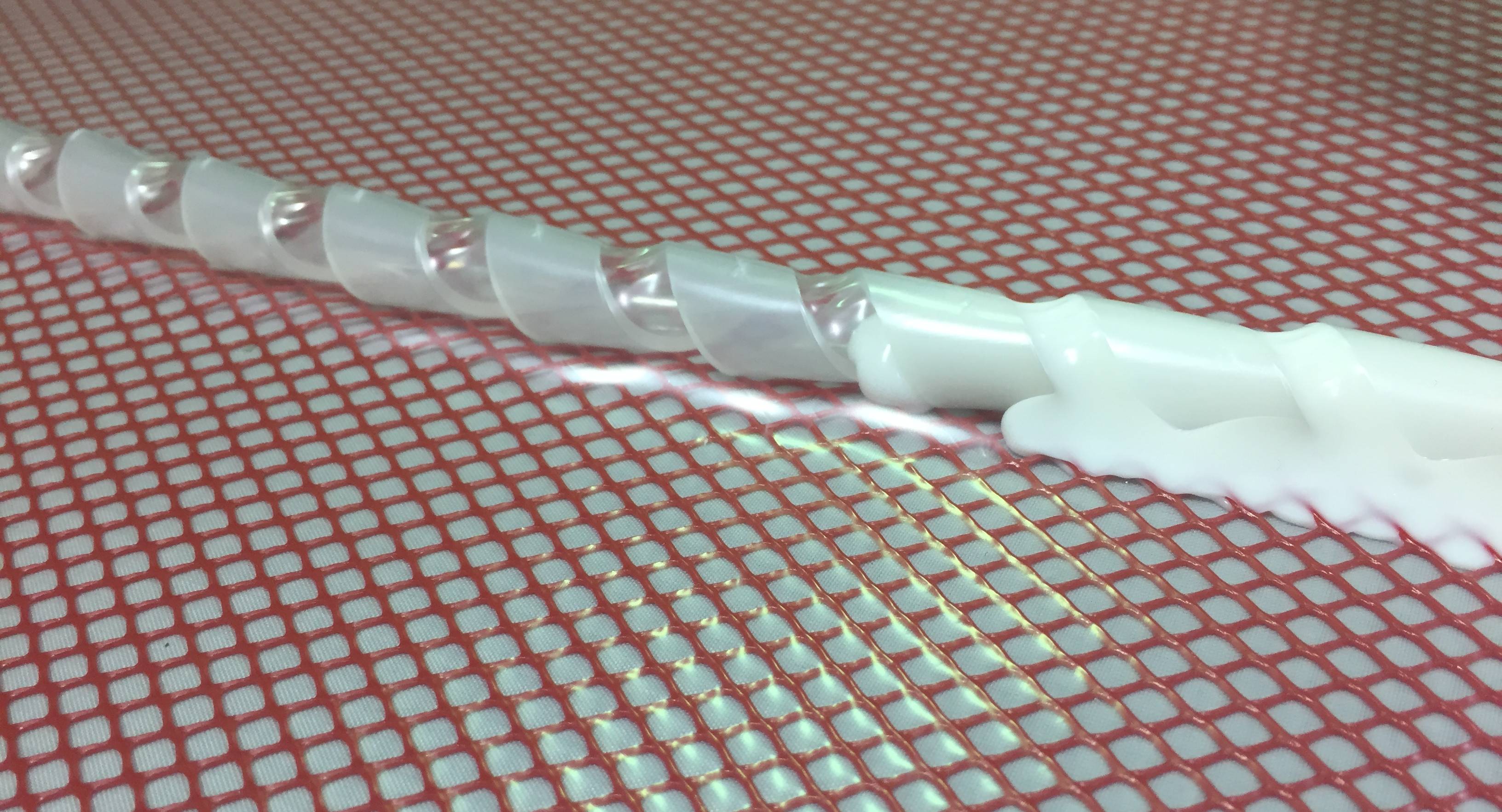
One of the very widely used engineering analysis technique is called Finite Element Analysis (FEA). FEA programs allow engineers to build a model of the desired component, apply loads, and specify material properties and boundary conditions. Then, the CAE software performs the time-intensive analysis computations and displays the results using the graphics capability of the CAD system. The CAD model built for the analysis may also be used as an input for rapid prototyping processes which produce a physical three-dimensional model of the component from its three-dimensional CAD counterpart.
This course will cover the general aspects of computer aided engineering analysis. The material covered will give designers the background necessary to determine component response to several loading conditions. Various topics covered include geometric modeling, computational techniques for engineering analysis, modeling physical systems and design analysis using industry standard software, and rapid prototyping.
Required Text
- Pro/Engineer Wildfire Instructor (latest version) update by David S. Kelley, McGraw-Hill Higher Education,
- ANSYS tutorials in the PDF format will be provided by the instructor.
- Class handouts and notes will be the primary learning resources for the lecture-based topics.
Course Syllabus for TECH 5311 - General
(PDF, 25.6KB)